




Does your hair ever crackle the second you pull off a sweater, or suddenly puff up out of nowhere? You’re definitely not the only one dealing with it. Static hair is one of the most common hair complaints out there, especially when the weather turns cold or dry.
So, why is my hair so staticky? At its core, static happens when friction causes an electrical charge to build up on your hair. Dry air, clothing, brushing, and everyday movement can all contribute to that buildup, which is why you may suddenly find yourself dealing with flyaways, frizz, and hair that seems to have a mind of its own.
Here is everything you need to know about static hair from what causes it to how to get rid of static in hair with simple tips, tricks, and the right products.

Why Is My Hair So Staticky?
Static happens when there is a moisture imbalance in your hair. When moisture leaves the hair cuticle, strands build up an electric charge, and since there is nothing to balance it out, they repel each other instead of sitting smoothly together. That repelling is exactly why your hair starts flying away in every direction.
In short, dry, dehydrated hair is more prone to static, but the static itself comes from an electrical charge building up on your strands.
What Causes Static in Hair?
While moisture imbalance can make static worse, a few everyday habits and conditions can contribute to that buildup.
- Dry, Dehydrated, or Fine Hair: Hair that is well hydrated naturally holds onto moisture better, which keeps static under control. Dry hair struggles with this, making it much more prone to static. Fine hair also struggles with static because it is lighter in weight, so it lifts and separates more easily once a charge builds up.
- Cold & Dry Weather: Cold air carries less moisture, and indoor heating dries things out even more. That combination is one of the biggest reasons static hair tends to become more noticeable during the winter months.
- Brushing or Friction: Friction is one of the main contributors to static. Plastic brushes and combs can create friction as you run them through your hair, while everyday contact with clothing, hats, scarves, and other fabrics can also cause an electrical charge to build up.
- Synthetic Fabrics: Materials like polyester and nylon are known for causing static, especially when your hair brushes against them throughout the day. This is one reason you may notice more flyaways after pulling on a sweater, taking off a hat, or wearing certain fabrics.

How to Get Rid of Static in Hair
1. Add Moisture Back Into Your Hair
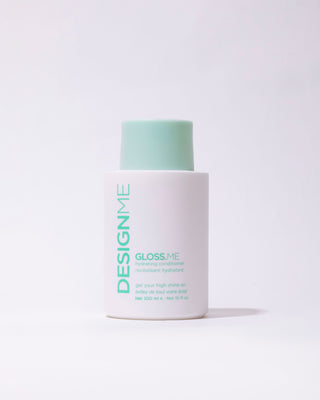
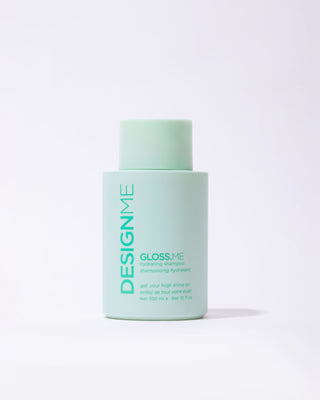
Dry hair is one of the main causes of static in your hair, so adding moisture back into your routine is a great place to start. Switching to a hydrating shampoo and conditioner can help keep your hair moisturized, smooth, and more manageable. GLOSS.ME hydrating shampoo and conditioner gently cleanse, restore moisture, and smooth strands while detangling, giving dry hair the hydration it needs.
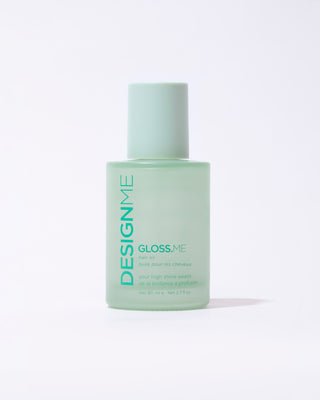
Follow up with a few drops of GLOSS.ME hair oil on damp or dry hair. This lightweight oil helps smooth the hair cuticle and lock in moisture, helping to reduce the dryness and flyaways that can make static more noticeable.
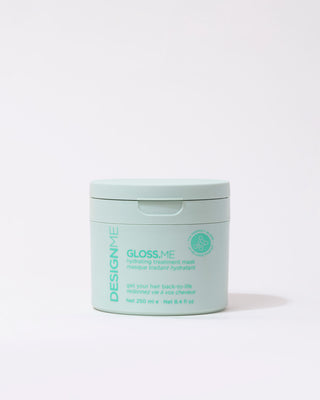
Pro tip: If static keeps coming back, try adding a hydrating hair mask to your routine once a week. GLOSS.ME hydrating treatment mask deeply hydrates and strengthens strands in just five minutes, helping hair feel smoother & softer.
2. Use a Leave-In Treatment
A good leave-in treatment keeps your hair hydrated throughout the day, which can be especially helpful during winter or in dry climates. Heat styling can also dry your hair out and make static more noticeable, so using a heat protectant before styling is another important step.
That's exactly where FAB.ME leave-in treatment comes in. This lightweight, multi-tasking formula hydrates, detangles, smooths frizz, and helps reduce static, all while protecting your hair from heat damage up to 450°F.
3. Use a Smoothing Styling Cream
For static that shows up after styling, a smoothing product is exactly what you need to tame those stubborn flyaways. HOLD.ME styling cream smooths strands, controls frizz and tames flyaways while keeping hair soft and touchable. Infused with ingredients like aloe vera and argan oil, it adds weightless shine and softness, with the added benefit of heat protection and humidity defense for a longer-lasting style.
For extra hold, finish with HOLD.ME three-way hairspray on the lightest setting to lock everything in place and keep flyaways under control throughout the day.

Quick Fixes for Static on the Go
Sometimes static shows up when you least expect it, and you need something that works right away. Luckily, a few simple tricks can help calm static hair and get those flyaways back under control. Here is what actually helps in the moment.
- Mist a small amount of water onto your hands and gently smooth them over your hair. The added moisture can help temporarily calm static and flyaways without soaking your strands.
- Keep HOLD.ME styling stick in your bag for exactly this moment. Glide it directly onto your hair to tame flyaways, or warm it slightly between your palms first and then apply it through your hair.
- Swipe a dryer sheet over your hair before brushing. Dryer sheets are designed to neutralize static charges on fabric, and they work just as well on hair.
- Add a tiny amount of hair oil or styling cream to your palms and lightly smooth it over the areas where you’re noticing static. A little goes a long way, especially on fine hair.
- Putting your hair into a low ponytail, braid, or bun helps reduce how much it rubs against your clothing, which can help calm static down right away.
Frequently Asked Questions:
How does humidity affect static hair and what can I do about it?
Low humidity dries out your hair, making it more likely to build up static. Adding hydrating products into your routine can really help bring that moisture back.
How do I remove static from my hairbrush?
If your brush seems to be making static worse, try switching from a plastic brush or comb to one made from materials that create less static, such as wood. Keeping your brush clean and avoiding excessive brushing when your hair is very dry can also help reduce friction.
Can a silk or satin pillowcase help with static?
It can help. Silk and satin surfaces generally create less friction against your hair than traditional cotton pillowcases, which may help reduce friction-related static, frizz, and flyaways while you sleep.