







Damaged hair is a common problem that affects people of all ages and genders. It refers to hair that has been compromised due to various factors such as heat, chemicals, mechanical stress, and environmental factors like sun exposure or harsh weather. When the outer layer of the hair shaft, which acts as a protective barrier, is damaged, it can result in several hair problems like breakage, split ends, frizziness, and a dull appearance.
Damaged hair can be prevented and improved with the right care, consistent habits, and the use of targeted hydrating hair care products to restore moisture and strength.
Signs of Damaged Hair
The signs of damaged hair can vary from person to person, but some common signs include:
• Split ends: When the ends of your hair become frayed and split into two or more pieces.
• Dryness: When your hair feels rough, dry, and brittle.
• Breakage: When your hair breaks easily, even with gentle handling.
• Dullness: When your hair lacks shine and appears dull.
• Tangles: When your hair becomes tangled and difficult to comb or brush.

What Causes Hair Damage?
There are many factors that can contribute to damaged hair, including:
Heat styling
Using heat styling tools such as flat irons, curling irons, and blow dryers can damage hair by drying it out and causing breakage and split ends. This makes the hair look dull and lifeless.
Chemical treatments
Coloring, perming, and relaxing hair can weaken its structure, leading to dryness and breakage. Chemical damage can also cause frizz and even hair loss.
Poor nutrition
A diet lacking in essential nutrients such as protein, vitamins, and minerals can weaken hair and make it more susceptible to damage.
Environmental factors
Environmental factors like pollution, sun exposure, and wind can also cause damage to your hair. These factors can cause brittle hair, breakage, and can even lead to color fading.
Brushing and combing
Over-brushing or combing hair, especially when it's wet, can cause breakage and split ends.
How to Repair Damaged Hair: Dry Hair Treatments That Work
Depending on the extent of the damage, it may not be possible to fully reverse it overnight, but there is a lot you can do to treat and improve it while your hair grows out. Here is what works:
- Trim regularly: Regular trims can help remove split ends and prevent further damage.
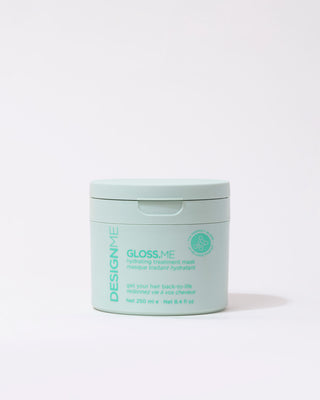
- Use a deep conditioning hair mask: A weekly deep conditioning treatment can help restore moisture, elasticity, and softness. The GLOSS.ME Hydrating Treatment Mask is formulated with Argan Oil, Moringa Seed Oil, and Cannabis Sativa Seed Oil to deeply nourish and hydrate. It is safe for colour-treated hair and makes a noticeable difference from the first use. You can find more options in the hair masks collection if you want to explore further.
- Use a leave-in treatment: A good leave-in treatment protects hair from further damage by detangling, strengthening, and adding a layer of protection before styling. The FAB.ME Leave-In Treatment also contains UV and heat protection, which means it is working to prevent new damage at the same time as treating existing dryness.
- Be gentle when brushing: Use a wide-tooth comb or a brush with soft bristles to avoid damaging hair when brushing or combing. Wet hair is especially vulnerable, so handle it with extra care after washing.
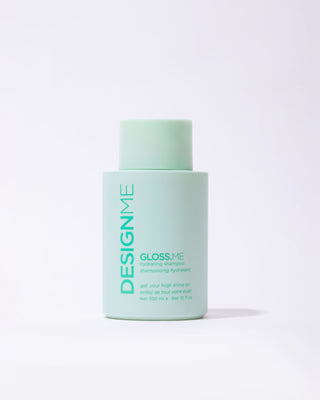
- Switch to a gentle shampoo: Harsh shampoos containing sulfates strip the hair of its natural oils, making dryness and damage worse. Look for gentle shampoos that are free of sulfates and other harsh ingredients that can strip hair of its natural oils.
How to Prevent Damaged Hair Going Forward
Repairing damaged hair is one thing, but preventing it from happening again is just as important. A few simple habits make a real difference:
- Always use a heat protectant before any hot tools.
- Limit heat styling to a few times a week, where possible.
- Protect your hair from sun and wind exposure when you can.
- Eat a balanced diet with enough protein to support healthy hair growth.
- Avoid overlapping chemical treatments and give your hair time to recover between them.
Frequently Asked Questions
Can damaged hair be fully repaired?
Damage extent determines treatment. Surface issues like dryness and frizz can improve with the right products. Severe damage may require growing out, but treatments will improve the condition in the meantime.
How often should I use a hair mask for damaged hair?
Once a week works well for most hair types. For very dry or heavily damaged hair, twice a week is fine.
Is it better to air-dry or blow-dry damaged hair?
Air drying is gentler, but blow-drying on a low-heat setting with a heat protectant is also fine. Just avoid high heat on already fragile strands.